




Introduction
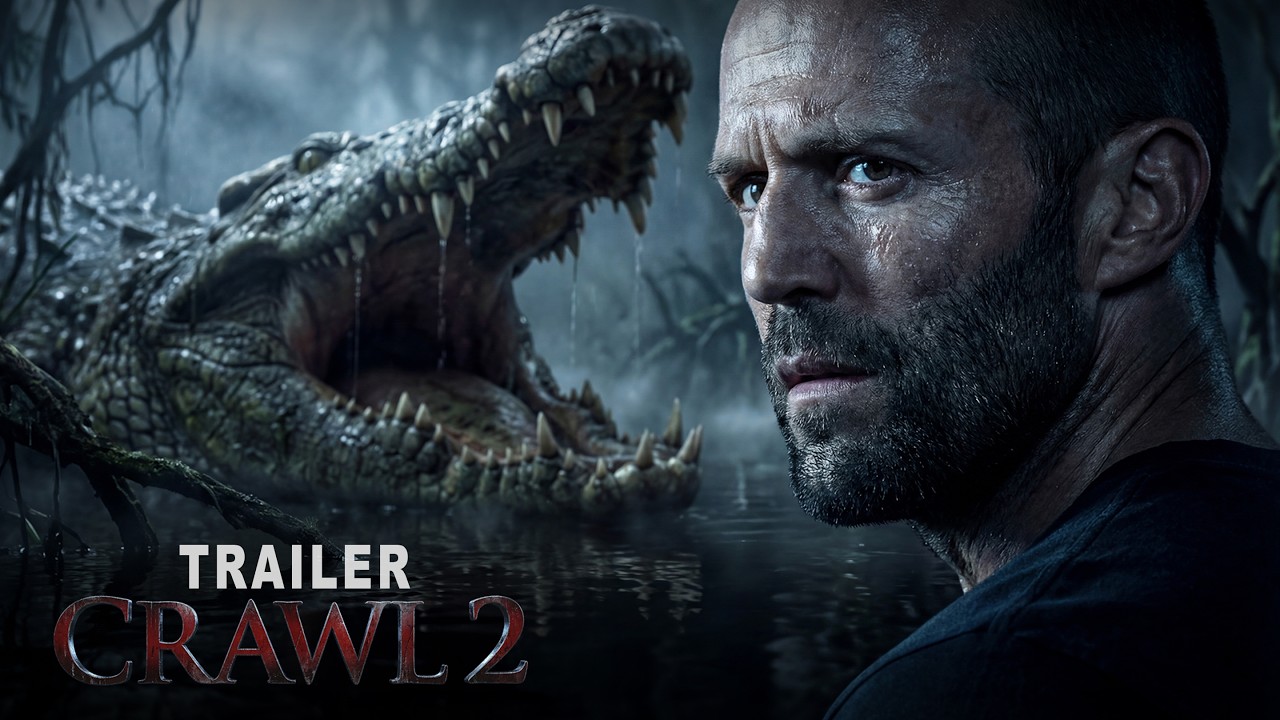
“Crawl 2: The Predator” surges into view with the primal clarity of a nightmare: water rising fast, wind howling like an open wound, and somewhere beneath the waves, something ancient and engineered waiting to strike. The first film understood fear as proximity and inevitability; this sequel sharpens that idea until it cuts. What emerges is a lean, brutally efficient creature thriller that balances pulp excitement with steady, suffocating dread.

Plot Overview
The story follows Jason Statham as a hardened rescue diver returning to his Florida hometown, now ravaged by a Category 6 super-storm. The devastation is not only meteorological. A black-ops experiment has birthed a single, mutated apex alligator that hunts by sound and heat, turning the flooded streets into its private domain. Megan Fox plays a sharp-witted storm chaser whose livestream inadvertently captures the monster on camera, making her both witness and quarry.

What unfolds is a desperate race against rising water levels, collapsing structures, and a predator that learns faster than humans adapt. The film understands that survival stories are not about outrunning danger, but out-thinking it, and that motto becomes the movie’s cold heartbeat.

Performances
Jason Statham
Statham brings raw physicality and bruised resilience. His performance is not merely action bravado; there is a weary gravity in his movements, the look of a man who knows water takes everything back eventually. When he dives into submerged hallways or hauls terrified survivors through churning currents, the film finds its moral core: endurance in the face of indifference.
Megan Fox
Fox plays her storm chaser with intelligence and bite. She avoids caricature, grounding the role through humor and steel-eyed focus. Her scenes atop collapsing rooftops are not simply spectacle; they become character-defining moments in which bravado gives way to vulnerability without surrendering strength.
Cinematography and Atmosphere
The visual language of the film is waterlogged terror. Submerged highways lined with overturned cars, malls half-underwater glowing sickly neon, and tight tunnels where light trembles across the surface build an environment designed to consume its characters. The use of sound design is exceptionally clever; silence becomes threat, and every splash feels like an alarm bell.
The flare tossed into the darkness, illuminating rows of teeth in slow motion, is the kind of image that lingers long after the screen fades. It is not merely spectacle; it is revelation. We do not see the monster fully because we do not need to. What the film shows is enough to invite the imagination to do its worst.
The Predator Itself
The creature design is ferocious and purposeful. This is not the familiar alligator reshaped slightly. It is heavier, stranger, unnervingly deliberate. The mutation serves a thematic function: humanity’s impulse to perfect domination creates something that can no longer be controlled. It hunts by heat and sound, turning human presence into a homing beacon. Every gasp becomes a risk. Every whispered plan becomes bait.
Direction and Tone
The direction favors practical tension over digital noise. Scenes last a beat longer than comfort allows, allowing fear to mature. Rather than piling jump scares, the film builds sequences where inevitability is the true horror. We see characters understand their fate and still move forward, which is always more affecting than surprise.
The tone channels disaster cinema and creature feature traditions while refusing to wink at them. The film takes its premise seriously and trusts the audience to do the same. That respect elevates it beyond simple spectacle.
What Works Best
- Relentless tension grounded in environment
- Practical-feeling water and storm effects that feel oppressive
- Strong, focused performances from Statham and Fox
- A creature design that feels both mythic and believable
Where It Falters
- Some secondary characters are little more than storm debris
- The narrative rarely pauses, which may leave viewers wishing for deeper backstory
Final Verdict
“Crawl 2: The Predator” is a film about survival stripped to sinew and instinct. It inherits the original’s claustrophobic terror and adds scale without losing intimacy. The storm is vast, the monster singular, but the emotions are personal and immediate. When the final image cuts to black and the roar echoes in darkness, it feels less like closure than an aftershock.
For fans of creature features, disaster thrillers, or simply disciplined filmmaking that doesn’t underestimate its audience, this sequel delivers. It is tense, vicious, and improbably exhilarating.
Rating
9/10 – vicious tension, brutal creature design, and raw Statham energy.