




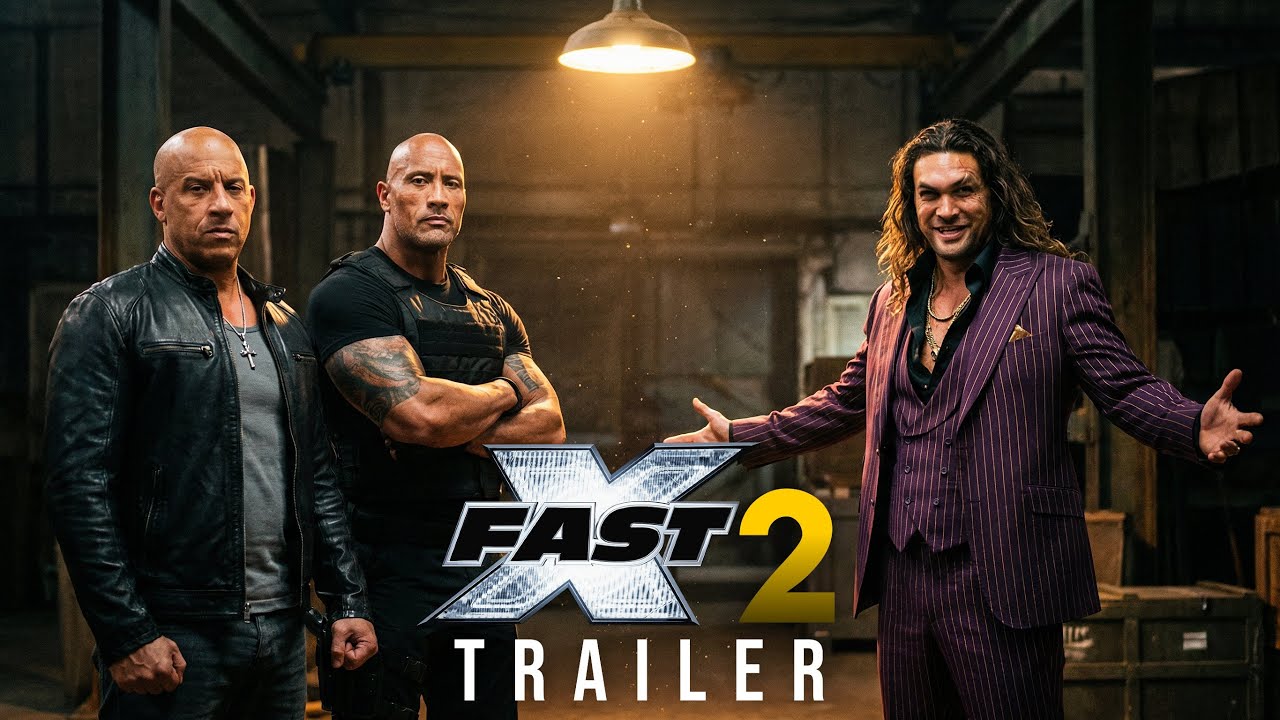
A Franchise at the Edge of Its Own Mythology
After more than two decades of roaring engines, gravity-defying stunts, and sermons about loyalty delivered over barbecue grills, FAST X: PART II arrives with the weight of its own legend pressing down on every frame. This is not merely another sequel; it is a film keenly aware that it stands near the end of a road paved with excess, nostalgia, and global box office ambition. Director and cast lean into that awareness, crafting a spectacle that is both bombastic and strangely introspective.
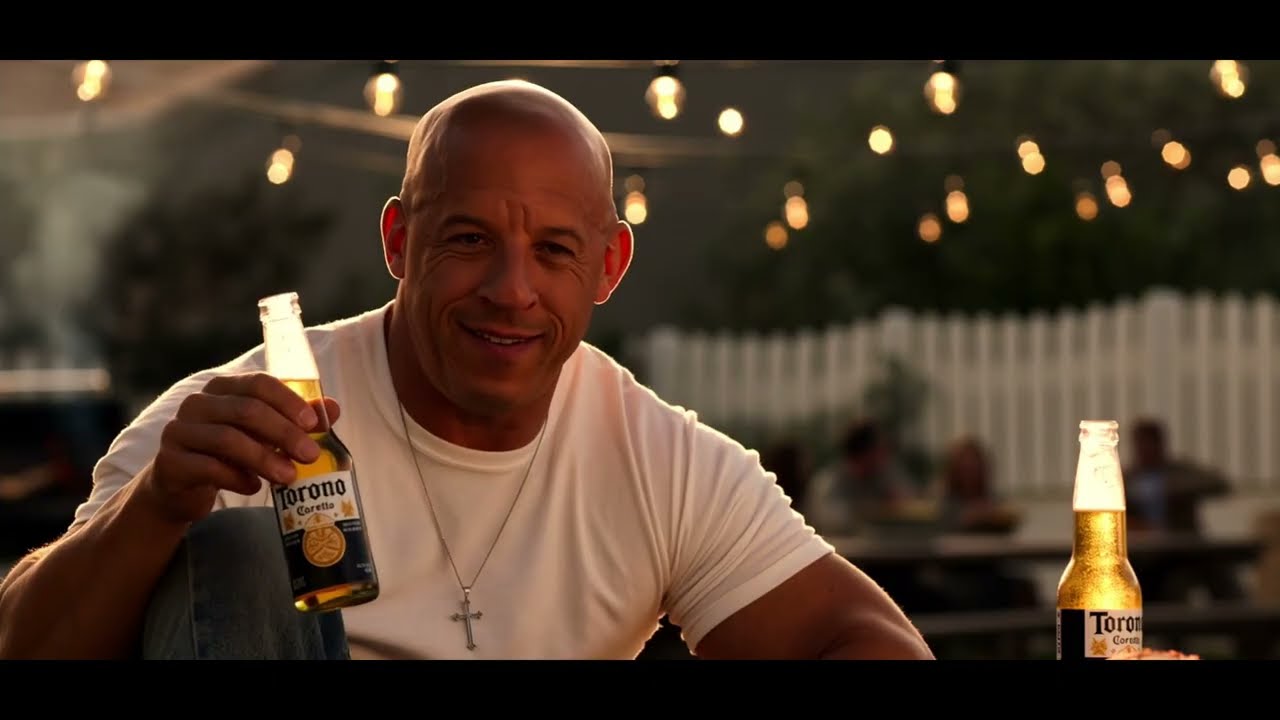
Story: Speed as Conflict, Family as Currency
Dom Toretto has always been defined by motion—by the way he moves through space, danger, and moral absolutes. Here, the narrative reframes speed not just as thrill, but as weapon. A new antagonist enters the Fast universe with chilling precision, forcing Dom and his extended family into a conflict where reaction time becomes survival.
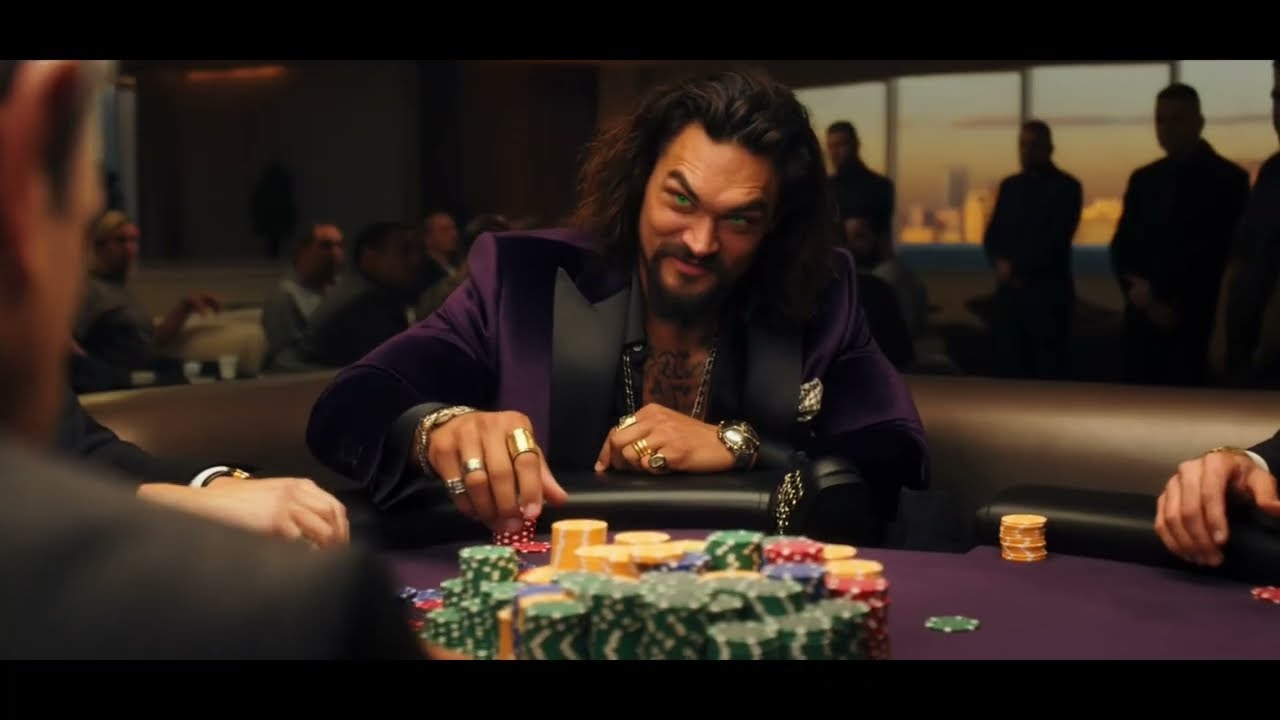
The screenplay emphasizes consequence more than previous entries. Every chase leaves scars, every decision ripples outward. The familiar mantra of family is no longer comforting background noise; it is the central moral battlefield. What are you willing to sacrifice to protect those you love, and at what point does protection become obsession?
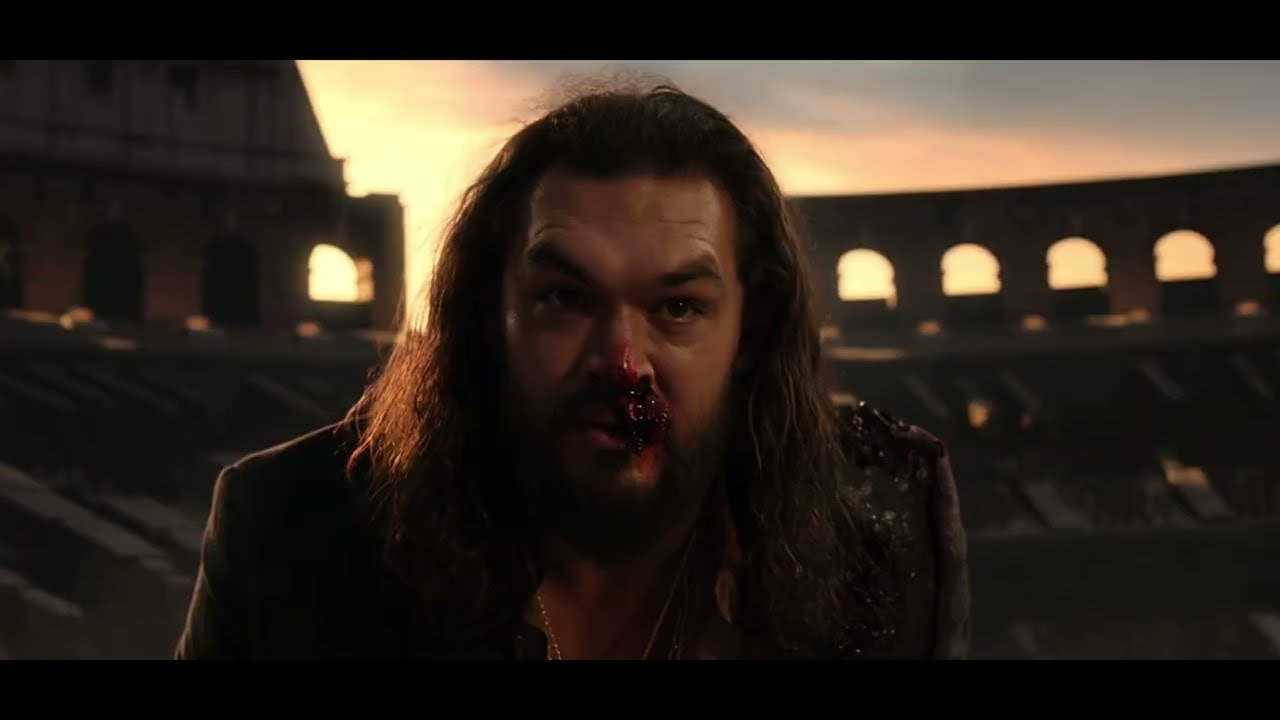
A New Presence Changes the Dynamic
The introduction of Cristiano Ronaldo into the Fast saga is a bold, almost surreal choice—and yet it works. His screen presence is imposing, economical, and surprisingly restrained. He plays less like a traditional villain and more like an inevitability, a human embodiment of momentum that cannot be negotiated with. It is one of the film’s more effective creative gambles.
Direction and Visual Scale
The Fast franchise has long since abandoned realism, opting instead for operatic action. FAST X: PART II embraces this philosophy fully. Cities are transformed into kinetic playgrounds, with streets, bridges, and skylines serving as temporary racetracks. The camera rarely rests, but when it does, it lingers on faces marked by fatigue and resolve.
What distinguishes this installment is clarity. The action, though enormous in scale, is staged with a sense of geography that allows tension to breathe. You understand where characters are, what they risk, and how close disaster truly is. This is spectacle with purpose rather than noise.
Performances: Weariness Beneath the Muscle
Vin Diesel delivers one of his most grounded performances in the franchise. Dom is still mythic, still carved from granite, but there is a weariness here that feels earned. Diesel allows moments of silence to speak louder than dialogue, conveying a man who knows the road behind him is longer than the one ahead.
The supporting cast functions like a well-tuned engine. Each character is given moments that justify their continued presence, not just as action participants but as emotional stakes. The film understands that without these relationships, the explosions would be meaningless.
Strengths of the Ensemble
- Consistent emotional throughline tied to loyalty and loss
- Clear character motivations, even amid chaos
- Balanced screen time that avoids overcrowding
Themes: Legacy at Full Throttle
Beneath the roaring engines lies a surprisingly reflective film. FAST X: PART II grapples with legacy—what remains after the smoke clears and the races end. The idea that family is not just something you defend, but something you actively choose, resonates more deeply here than in earlier entries.
This is also a film about limits. Physical limits, emotional limits, and the limit of how long one can outrun the consequences of a life lived at maximum velocity. It asks, without preaching, whether survival is enough, or if meaning requires something more.
Final Verdict: A Spectacle with a Pulse
FAST X: PART II may not convert skeptics who have long dismissed the franchise as excess without substance. But for those who have followed this saga from street races to global espionage, it offers something rare: a blockbuster that acknowledges its own history and dares to slow down just enough to reflect.
This is not just about who crosses the finish line first. It is about what is left standing when the engines finally cool. In that sense, the film earns its place as a pivotal chapter—one that understands speed is thrilling, but meaning is what truly carries weight.