




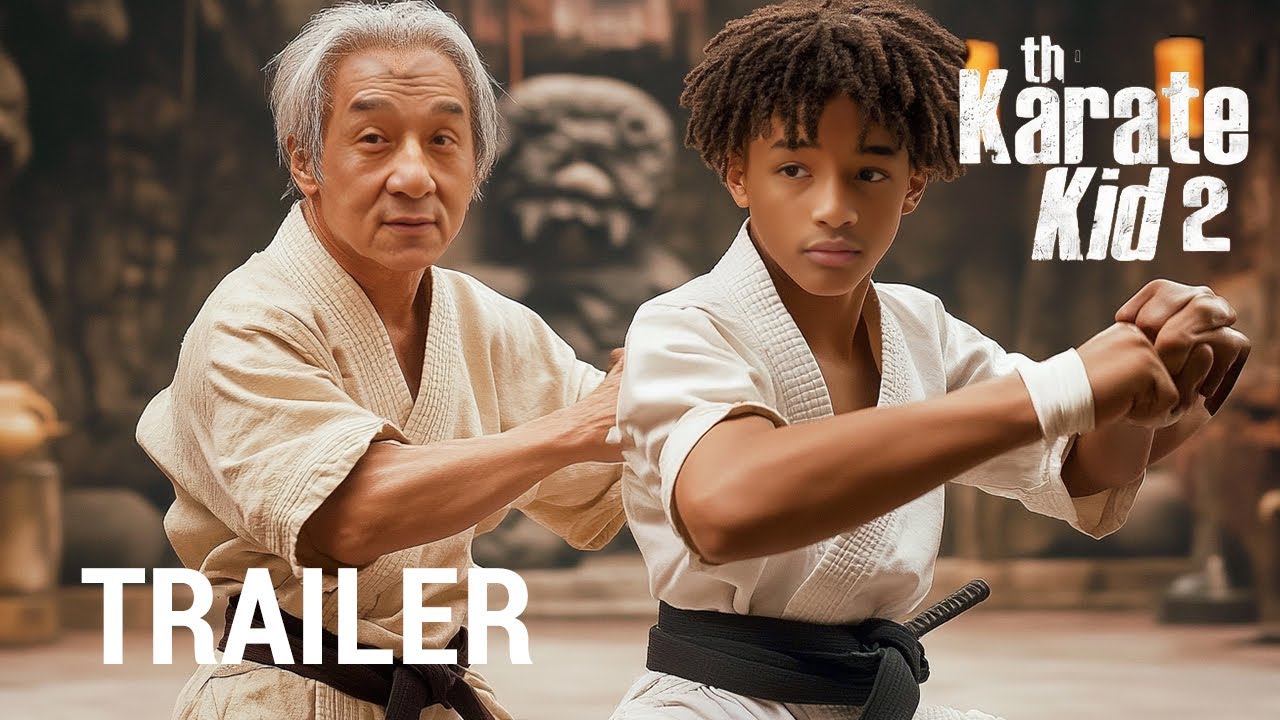
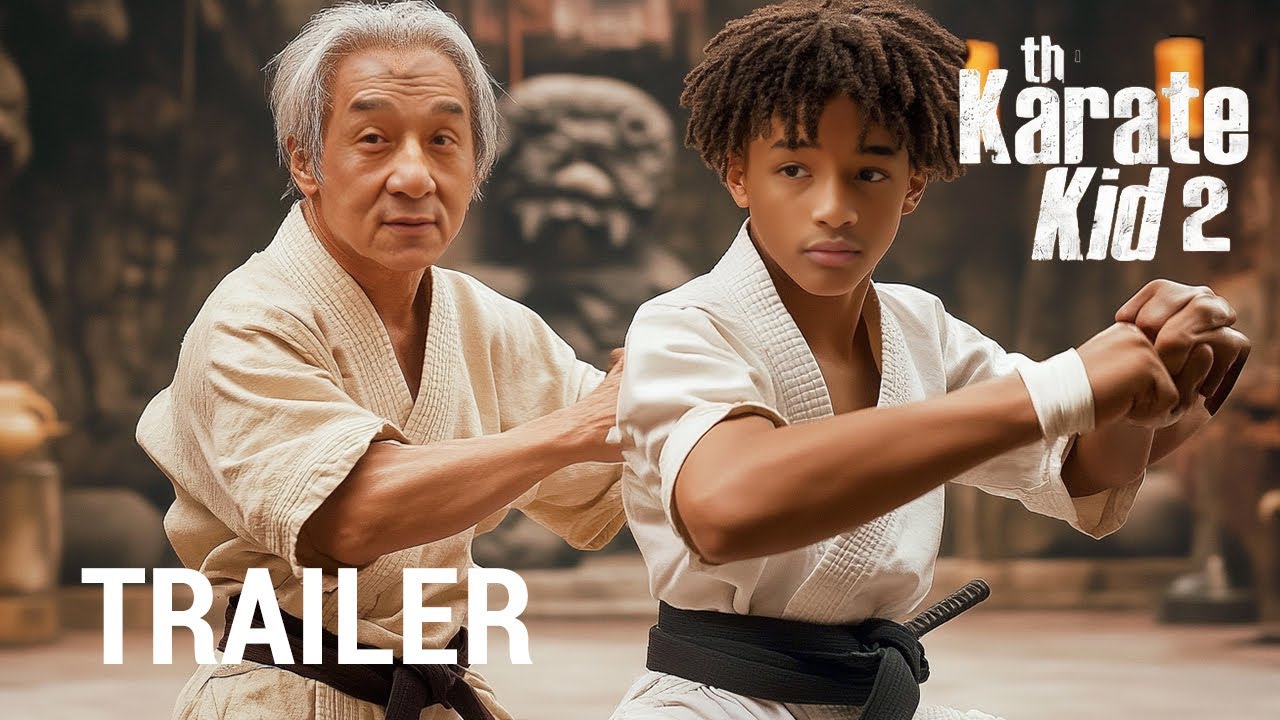
The Karate Kid 2: A Journey Beyond Technique
The world of martial arts films has always thrived on the conflict between strength and character, and in The Karate Kid 2, this timeless theme reaches new emotional depths. The sequel to the 2010 hit does not merely continue Dre Parker’s (Jaden Smith) journey—it elevates it, challenging the young protagonist to confront the very heart of his discipline. This is a film about mastery in all its forms—physical, mental, and spiritual.
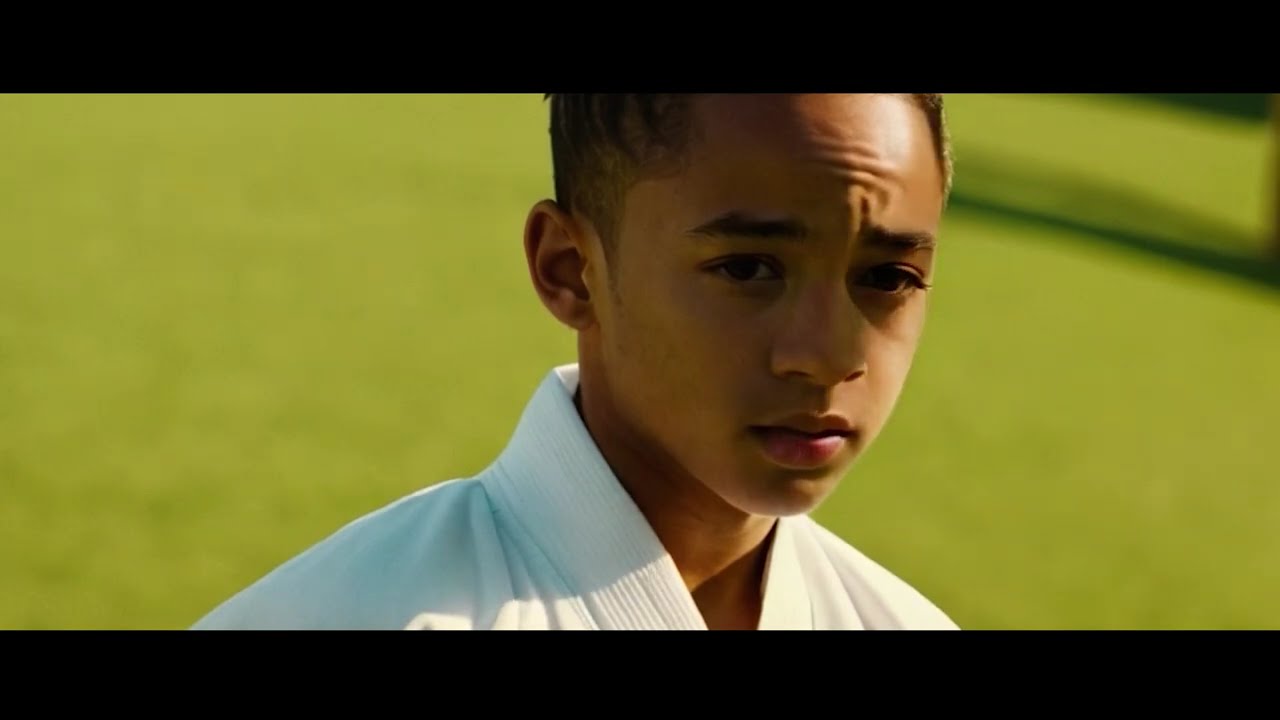
Plot Overview: Raising the Stakes
Set a few years after the first film, The Karate Kid 2 follows Dre as he enters a new phase of his martial arts journey. Now no longer the underdog, Dre must face not only physically superior opponents but also those who challenge his values, patience, and sense of purpose. The stakes have shifted from simple survival to self-mastery. As Dre travels with his mentor Mr. Han (Jackie Chan), he faces new rivalries, deeper questions about his place in the world, and the kind of person he wants to become.
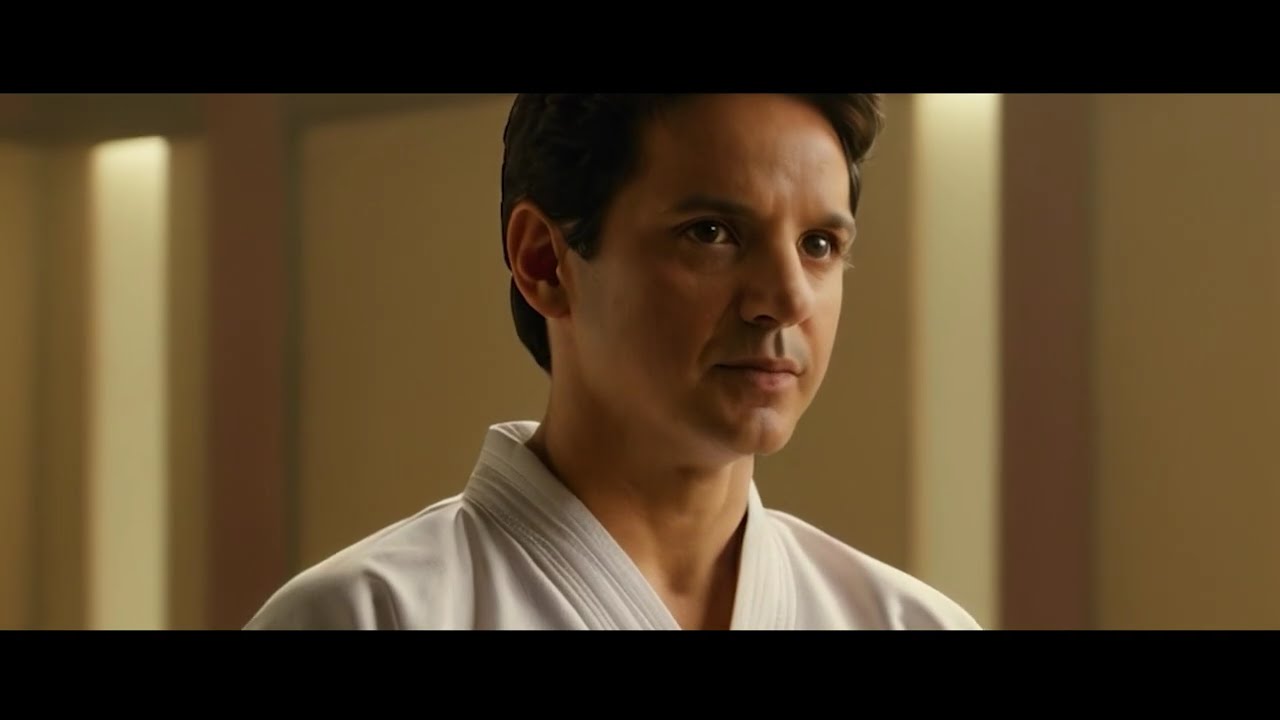
Performance Highlights: A Perfect Balance of Emotion and Precision
Jaden Smith, who has grown both as an actor and as an athlete, delivers a performance that anchors the film’s emotional core. As Dre, Smith captures the internal struggle of a young man evolving from a raw, angry teen into someone who understands the power of patience and discipline. There is a quiet intensity to his performance that matches the stakes his character faces.
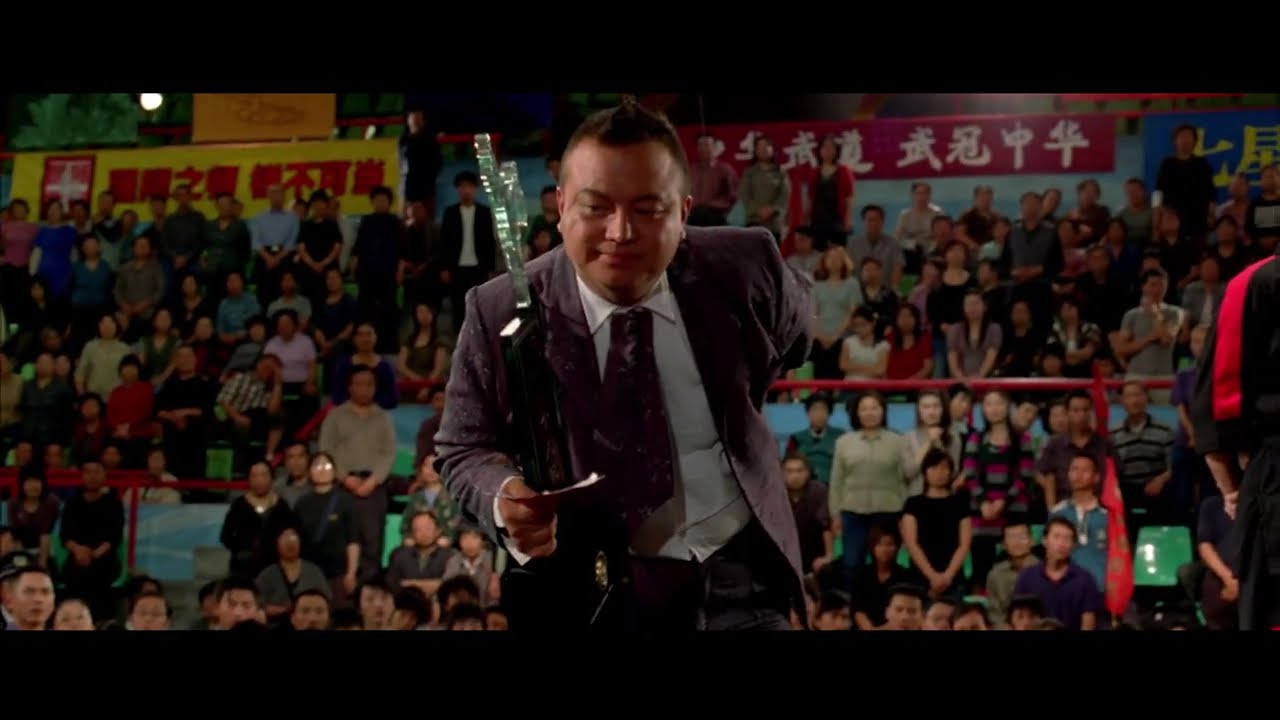
Jackie Chan reprises his role as Mr. Han, bringing back the wisdom and quiet strength that made the original film so special. Chan’s performance continues to be one of the film’s emotional touchstones, as his character not only teaches Dre martial arts but also imparts life lessons that transcend the dojo. His signature fight choreography is inventive, blending his mastery of the craft with a deeper understanding of the environments in which the battles take place.
But the film’s standout addition is Donnie Yen, who joins the cast as a formidable new rival-mentor. Yen’s character is the perfect foil to Mr. Han, bringing a more brutal, no-nonsense approach to martial arts. Yet, beneath his fierceness, there’s a philosophical depth that adds a new layer of tension to the martial arts duels. Yen’s performance is not just about physical prowess but about the inner conflict between power and control, creating a character who challenges Dre at every turn.
Thematic Depth: Mastery Beyond Strength
The central theme of The Karate Kid 2 is clear: mastery is not about raw power, but about mastering one’s heart and mind. As Dre faces increasingly tough opponents, it becomes apparent that his greatest challenges are not the battles in the dojo, but the internal battles that determine the course of his life. The film beautifully weaves this theme throughout its narrative, providing moments of quiet reflection amidst the intense action sequences.
What sets The Karate Kid 2 apart from its predecessors is its exploration of growth. This isn’t just a story about physical combat, but about the transformation that comes from understanding one’s purpose and the responsibilities that come with mastery. It’s about learning when to fight, when to yield, and when to walk away—lessons that transcend the martial arts world and apply to all aspects of life.
Conclusion: A Martial Arts Film with Heart
The Karate Kid 2 is a sequel that manages to elevate the franchise without ever forgetting what made the original so special. By blending martial arts intensity with deep emotional growth, it creates a film that speaks not just to fans of action, but to anyone who has ever faced a challenge that tested their character. The performances are heartfelt, the choreography is top-notch, and the story resonates on a universal level. This is not just a film about fighting—this is a film about learning how to live with honor, integrity, and a strong sense of self.