




Introduction
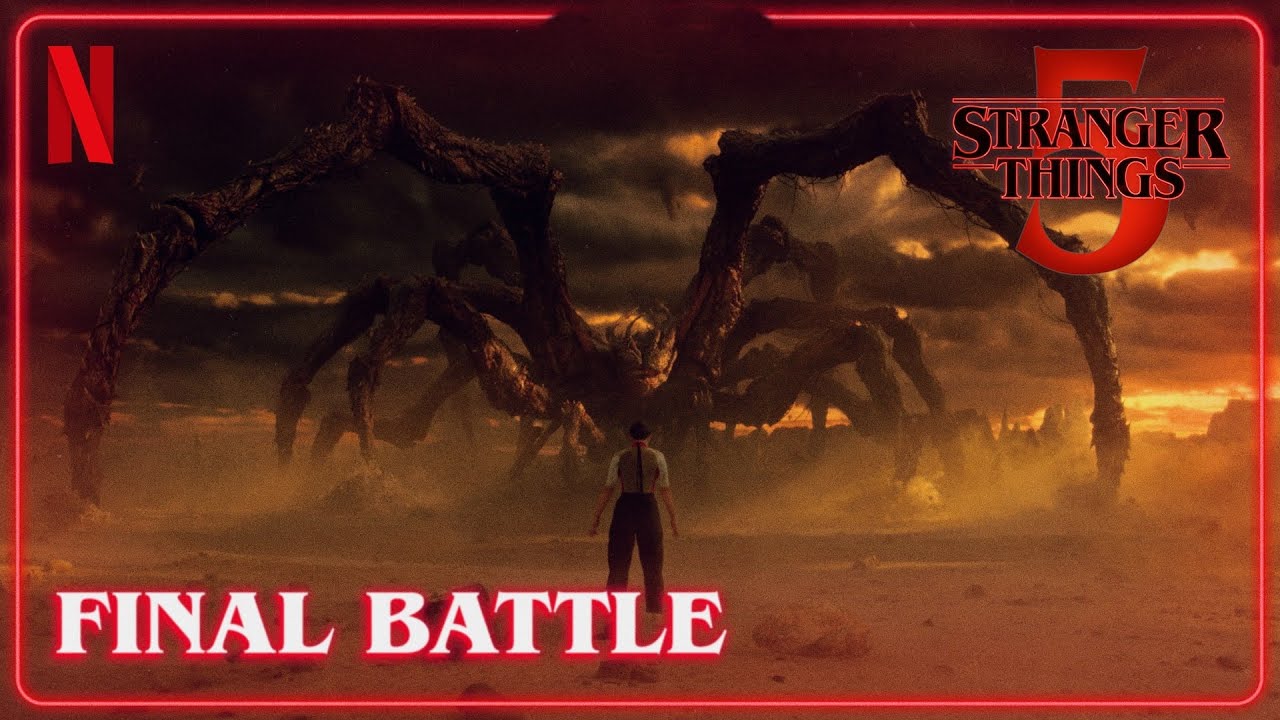
After the closing of the final season of Stranger Things, an eerie silence falls over viewers. Hawkins, Indiana, no longer plays host to the supernatural chaos that has captivated audiences worldwide for over five years. The Upside Down no longer looms as an ever-present threat, and without these beloved characters, the void left behind is palpable. As the nostalgia of those dark, spine-chilling episodes fades into memory, what remains is not just an empty space in pop culture, but a genuine emotional gap. This is not merely a TV show coming to an end; it is the loss of a series that shaped our viewing habits, cultural touchstones, and, for many, our understanding of storytelling on screen.

What We Loved About Stranger Things
At its core, Stranger Things was a celebration of youth, friendship, and the tension between light and dark. The show never shied away from the horrifying, but it also anchored itself in the warmth of the characters and their relationships. This was a series where every victory felt earned, and every loss hit home with an intensity rarely seen on television. In an era where binge-watching was redefined, Stranger Things stood at the forefront, constantly reinventing itself while remaining grounded in its rich ’80s nostalgia.

The Characters
From the start, it was clear that the heart of the series was its ensemble cast. Eleven (Millie Bobby Brown) emerged as a pop culture icon, not just for her telekinetic powers, but for the vulnerability and strength she portrayed. The boys—Mike (Finn Wolfhard), Dustin (Gaten Matarazzo), Lucas (Caleb McLaughlin), and Will (Noah Schnapp)—served as the perfect foil to Eleven’s journey, each carrying their own storylines of self-discovery and adolescent struggle. Meanwhile, characters like Steve (Joe Keery), who initially seemed like a typical high school jerk, grew into one of the most beloved figures in the show, with his unexpected emotional depth.

The Upside Down
The Upside Down, an alternate dimension where danger and darkness pervade, was more than just a plot device. It represented the unknown, the fears that lurk just beyond our comprehension. It provided the perfect backdrop for the show’s tension, a constant reminder that the world of Hawkins wasn’t as safe as it seemed. The show’s ability to shift seamlessly between the horrors of the Upside Down and the everyday life of small-town America was a defining feature, blending genres from supernatural horror to family drama effortlessly.
How the End Leaves Us
With the series concluding, there’s an inevitable sense of longing. The last season wrapped up several of the show’s most enduring mysteries, offering closure while leaving enough room for speculation. And yet, there’s an underlying ache that comes from knowing we won’t see the gang together again, struggling against impossible odds. It’s not just the end of a show—it’s the end of an era in TV storytelling. The creativity, the references to ’80s cinema, the constant twists and turns of the plot—Stranger Things was never predictable, always keeping viewers on their toes. Its absence now feels like an eternal rewatch urge—something we will return to time and again, but never quite the same.
The Void Left Behind
For all the shows that have come and gone, Stranger Things will likely remain one of the defining pop culture phenomenons of the 2010s and 2020s. It’s a series that redefined what it means to blend genres, to create a multi-layered narrative that appeals to both children and adults. The nostalgia it evoked was not just for the ’80s, but for a time when TV was allowed to surprise, to take risks, and to fully embrace its imagination. While we may not return to Hawkins, its impact lingers on in the form of other series that will attempt to fill the void it leaves behind. But none will ever quite measure up.
Conclusion
Three days without Stranger Things might feel like an eternity for fans still grappling with the finale. There’s a sense of finality to it, but also an undeniable pull to revisit the series. Its absence, ironically, makes the heart grow fonder, as we’re left to mourn the end of a unique era in television. No matter how many reboots, spin-offs, or new supernatural series come our way, there will always be something special about the world of Stranger Things—a world we’ll never fully leave behind.