



Moana (2026) – A Live-Action Journey of Identity, Heritage, and Destiny
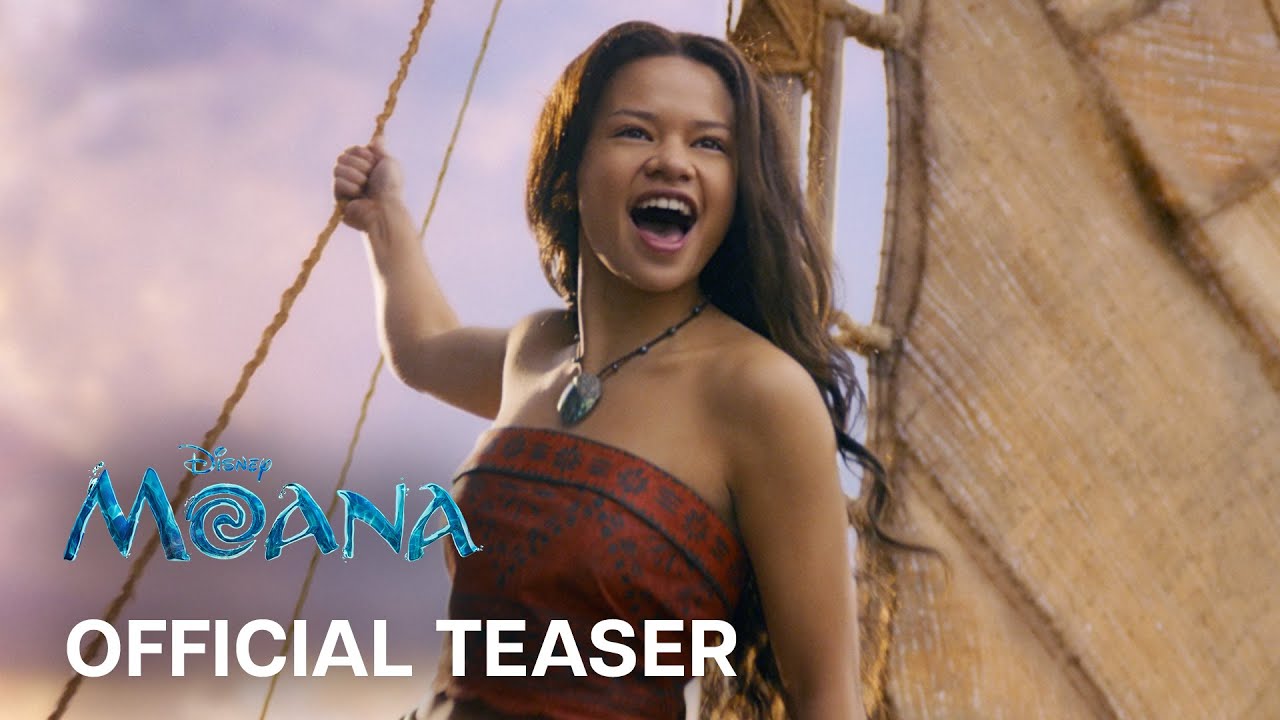
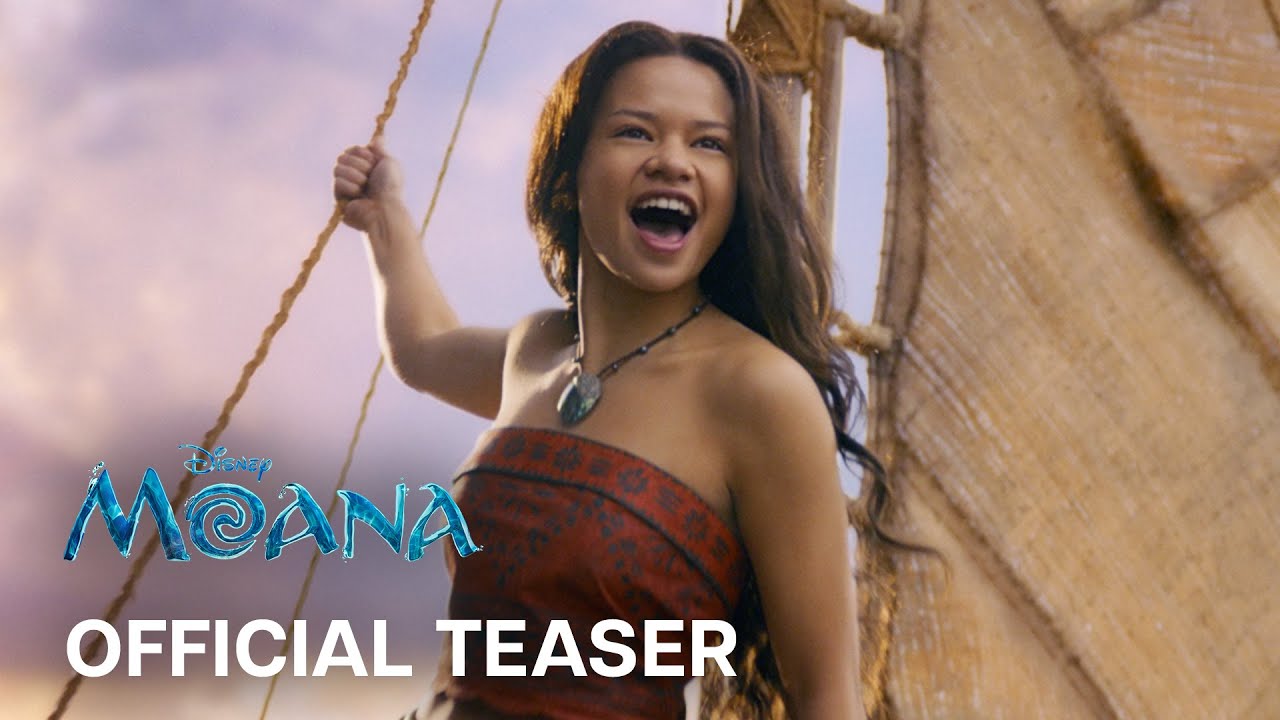
The much-anticipated live-action reimagining of Moana (2026) brings new life to the beloved animated classic. Directed by Thomas Kail, best known for his work on the groundbreaking musical Hamilton, this adaptation promises more than just a nostalgic trip down memory lane. It introduces us to a story that is both deeply familiar and refreshingly new. With Catherine Laga‘aia stepping into the title role and Dwayne Johnson reprising his iconic portrayal of Maui, the ocean calls to them again — but this time, the journey feels even more profound.

The Return of the Ocean: A Deeper Connection
While the original Moana (2016) made waves with its stunning visuals and catchy tunes, the 2026 live-action version goes beyond aesthetic grandeur to explore deeper themes of identity, heritage, and destiny. The ocean, which was once merely a backdrop for Moana’s adventure, now plays a pivotal role in the character’s emotional and spiritual evolution. It’s no longer just a setting for action; it’s an active participant in Moana’s journey, shaping her destiny and amplifying the emotional depth of her story.

Catherine Laga‘aia and Dwayne Johnson: A Legendary Duo
Catherine Laga‘aia, who takes on the role of Moana, is a revelation. Her portrayal captures the essence of the original character while imbuing it with a fresh, dynamic energy that feels perfectly suited for this new interpretation. She embodies the boldness and vulnerability of a young woman who must find her voice in a world that often seems too large to navigate.

Equally compelling is Dwayne Johnson, who returns as the demigod Maui. His performance is, as expected, magnetic. He brings a depth to Maui that goes beyond the mischievous trickster we knew from the animated film. Johnson’s portrayal adds complexity to the character, making Maui more than just a comic relief — he becomes a mentor, a guide, and a symbol of Moana’s path to self-discovery.
Thomas Kail’s Vision: A Cultural Celebration
Under the direction of Thomas Kail, the film goes beyond simple storytelling; it is a celebration of Polynesian culture and mythology. Kail, who has a history of tackling rich, complex narratives, uses his platform to honor the indigenous traditions that are the backbone of this story. His vision elevates the film, ensuring that it resonates with audiences not just as a Disney remake but as a cultural artifact. The film’s stunning landscapes, shot across Hawaii and various Pacific locations, contribute to the immersive experience, transforming the ocean from a mere setting into a living, breathing character.
The Ocean Calls Louder Than Ever
As Moana’s story unfolds, the ocean’s call grows louder and more urgent. It is no longer just an invitation; it is a challenge. The film builds on the themes of the original, but with a heightened sense of purpose and urgency. This isn’t just about finding one’s path; it’s about embracing who you are and honoring the legacy that precedes you. The stakes are higher, the emotional resonance deeper, and the themes more urgent. The ocean, once a symbol of adventure, is now a symbol of legacy — a reminder that our journey is never truly our own; it is shaped by the stories that came before us.
Conclusion: A Reimagining That Redefines a Classic
Ultimately, Moana (2026) is a bold reimagining of a modern classic that respects its origins while expanding its scope. The film not only brings back the magic of the original but deepens it, creating a cinematic experience that is at once exhilarating and profoundly moving. The ocean, in all its vastness, has never seemed more alive, and Moana’s journey has never felt more important. This is a film about heritage, identity, and legacy — and it reminds us all that when the ocean calls, we must answer. Louder. Braver. Impossible to ignore.